ENGLISH VERSION FOLLOWS
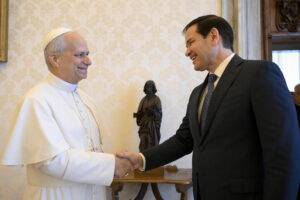
Il Segretario di Stato americano Marco Rubio arriverà giovedì a Roma per incontrare il Segretario di Stato della Santa Sede, il cardinale Pietro Parolin, e Papa Leone XIV. Lo scopo apparente è quello di ricucire i rapporti dopo le recenti fratture e attriti.
Tuttavia, visti i precedenti, è del tutto possibile che queste fratture non vengano sanate e possano addirittura aggravarsi. La Santa Sede è difficile da gestire senza una familiarità di lunga data. Ci sono molte questioni che dividono realmente la Santa Sede e gli Stati Uniti.
Eppure oggi, più che mai, è importante che gli Stati Uniti — e in effetti tutte le altre nazioni — mantengano un buon rapporto con il Vaticano, sede della religione unificata più grande e influente del mondo.
Su suggerimento di padre Lorenzo Prezzi, ecco quattro semplici raccomandazioni su come Rubio dovrebbe affrontare l’incontro:
- Non dovrebbe difendere il presidente Donald Trump. E certamente non dovrebbe nemmeno attaccarlo. Difendere certi atteggiamenti, slogan e dichiarazioni pubbliche sarebbe semplicemente fuori luogo. In Vaticano sono uomini di mondo e sanno che nel corso dei secoli molti politici hanno giocato a fare gli antipapisti. Trump non è il primo e certamente non sarà l’ultimo. I suoi gesti, pur non causando uno scandalo straordinario, rimangono al di là di qualsiasi giustificazione difendibile dall’altro. Per superarli, è semplicemente meglio metterli da parte, sperando che Trump non insista su di essi.
- Non cercare di sfruttare le divisioni all’interno della Chiesa — per esempio, insinuando che alcuni vescovi sostengono le politiche di Trump. Ciò equivarrebbe a dare lezioni al Papa su come fare il suo lavoro. A quel punto, la Santa Sede lo lascerebbe parlare, ma la divisione non farebbe che approfondirsi. Dire al Papa come essere Papa non funziona.
- Un’altra tendenza che sembra molto in voga in America è quella di citare la Bibbia, il Vangelo o la teologia al Papa, a Parolin o al Vaticano. Questi uomini hanno dedicato la loro vita allo studio di queste materie e naturalmente credono – forse ingenuamente – di saperne un po’ di più rispetto a un diplomatico americano che, di norma, si occupa di tutt’altro. Nessuno mette in dubbio la buona fede di Rubio o del suo team, ma per parlare di teologia bisogna essere un teologo serio — altrimenti non si fa semplicemente alcuna impressione. O peggio.
- Non dire al Vaticano come gestire i cinesi. Il Vaticano ha studiato la questione per decenni, e ogni passo è stato attentamente considerato e soppesato nel corso del pontificato di molti papi. Si possono offrire suggerimenti e idee, ma intromettersi potrebbe rivelarsi controproducente.
Il punto fondamentale, invece, è cercare qualcosa di positivo: trovare un terreno comune che aiuti davvero la Chiesa. Un esempio è la tutela della santità del segreto confessionale.
Alcuni Stati americani sembrano prendere in considerazione l’idea di rimuovere la tutela legale della confessione nei casi che riguardano reati passati. Ma la confessione è un sacramento che attraversa i secoli, raggiungendo delicati equilibri. Sarebbe davvero un peccato se venisse messa in discussione in America, e ci sarebbe resistenza.
Una volta chiarito tutto questo, la visita non sarà necessariamente una passeggiata, ma forse alcune delle questioni più spinose potrebbero essere risolte.
Buon viaggio a Roma, signor Segretario!
settimananews.it/informazione-internazionale/rubio-un-americano-in-vaticano/
ENGLISH VERSION
US-Vatican: Mending Fences, by Francesco Sisci
US Secretary of State Marco Rubio is arriving in Rome on Thursday to meet with the Holy See’s Secretary of State, Cardinal Pietro Parolin, and Pope Leo XIV. The apparent purpose is to mend relations after recent ruptures and friction.
However, given precedents, it is quite possible that these rifts will not be healed and may deepen. The Holy See is difficult to manage without long-standing familiarity. There are many issues that genuinely divide the Holy See and the United States. Yet today, more than ever, it is important that the United States — and indeed all other nations — maintain a good relationship with the Vatican, home to the world’s largest and most influential unified religion.
At the suggestion of Father Lorenzo Prezzi, here are four simple recommendations for how Rubio should approach the meeting:
- He should not defend President Donald Trump. He certainly should not attack him either. Defending certain attitudes, slogans, and public statements would simply be out of place. At the Vatican, they are men of the world and know that many politicians over the centuries have played at being anti-papist. Trump is not the first and certainly won’t be the last. His gestures, while not causing extraordinary scandal on one hand, remain beyond any defensible justification on the other. To move past them, it is simply better to set them aside, hoping Trump will not insist on them.
- Do not try to exploit divisions within the Church — for example, by implying that some bishops support Trump’s policies. That would be tantamount to lecturing the Pope on how to do his job. At that point, the Holy See would let him speak, but the divide would only deepen. Telling the Pope how to be Pope does not work.
- Another trend that seems very fashionable in America is quoting the Bible, the Gospel, or theology to the Pope, Parolin, or the Vatican. These men have spent their lives studying these subjects and naturally believe — perhaps naively — that they know somewhat more about them than an American diplomat who, as a rule, does something else entirely. No one doubts the good faith of Rubio or his team, but to speak about theology, one must be a serious theologian — otherwise one simply makes no impression whatsoever. Or worse.
- Do not tell the Vatican how to handle the Chinese. The Vatican has studied this matter for decades, and every step has been carefully considered and weighed over the tenure of many popes. One may offer suggestions and ideas, but getting in the way could prove unhelpful.
Instead, the final point is to look for something positive — to find common ground that genuinely helps the Church. One example is the protection of the sanctity of confession.
Some US states appear to be considering removing legal protection for the confessional in cases involving past crimes. But confession is a sacrament that has spanned centuries, reaching delicate balances. It would be most unfortunate if it were called into question in America, and there would be resistance.
With all of this out of the way, the visit won’t necessarily be a walk in the park, but perhaps some of the most irksome issues could be resolved.
Have a good trip to Rome, Mr. Secretary!
appiainstitute.org/articles/america/us-vatican-mending-fences/